
1-Diploma in Herbal Medicine.
$ 91.74
Module -1- 1.0 Introduction to Herbalism. 1.1 What is Herbalism? 1.2 A Brief History of Herbal Medicine. 1.3 The Role of Herbalism in Modern Healthcare. 1.4 Ethics and Sustainability in Herbal Practices. Module -2- 2.0 Understanding Medicinal Plants. 2.1 Plant Identification and Botanical Nomenclature. 2.2 Plant Constituents: Active Compounds and Their Effects. 2.3 Healing Properties of Common Medicinal Plants. 2.4 Toxic Plants and Safety Considerations. Module -3- 3.0 Herbal Preparation Methods. 3.1 Harvesting and Drying Medicinal Plants. 3.2 Making Herbal Infusions and Decoctions. 3.3 Creating Tinctures and Extracts. 3.4 Herbal Syrups, Oils, Salves, and Poultices. Module -4- 4.0 Herbal Energetics and Actions. 4.1 The Concept of Herbal Energetics. 4.2 Understanding Herbal Actions (e.g., diuretic, anti-inflammatory, nervine, etc.) 4.3 Herbal Combinations: Formulating Effective Remedies. Module -5- 5.0 Herbal Medicine for Common Ailments. 5.1 Digestive Health: Herbal Remedies for Stomach Issues. 5.2 Respiratory Support: Herbs for Coughs, Colds, and Congestion. 5.3 Stress and Sleep: Herbal Solutions for Relaxation and Insomnia. 5.4 Herbal First Aid: Treating Cuts, Burns, and Minor Injuries. Module -6- 6.0 Herbalism for Women’s Health. 6.1 Herbal Support for Menstrual Issues and P.M.S. 6.2 Pregnancy and Herbal Safety. 6.3 Menopause and Hormonal Balance. Module -7- 7.0 Herbalism for Mental Health. 7.1 Nervine Herbs for Anxiety and Stress Management. 7.2 Enhancing Cognitive Function with Herbal Nootropics. 7.3 Herbal Support for Depression and Mood Disorders. Module -8- 8.0 Integrating Herbalism into Daily Life. 8.1 Creating a Home Herbal Apothecary. 8.2: Using Herbs in Culinary Applications. 8.3 Growing and Cultivating Medicinal Plants. 8.4 Herbalism in Beauty and Skincare. Module -9- 9.0 Herbalism in Traditional Healing Systems. 9.1 Ayurvedic Herbalism. 9.2 Traditional Chinese Medicine and Herbal Remedies. 9.3 Indigenous Herbal Knowledge and Practices. Module-10- 10.0 Practical Applications and Final Project. 10.1 Case Studies: Applying Herbalism to Real-Life Scenarios. 10.2 Developing personalised herbal protocols. 10.3 Final Project: Creating a Herbal Remedy for a Specific Ailment. Conclusion: By the end of this course, you will have gained a comprehensive understanding of herbalism and the practical skills needed to create and use herbal remedies for various health conditions. Remember, herbalism is a lifelong journey of learning and discovery, and this course serves as a strong foundation for further exploration and specialisation in this ancient healing art. Let’s embark on this botanical adventure together!
 5-Diploma in Tibb-(Unani) Medicine.
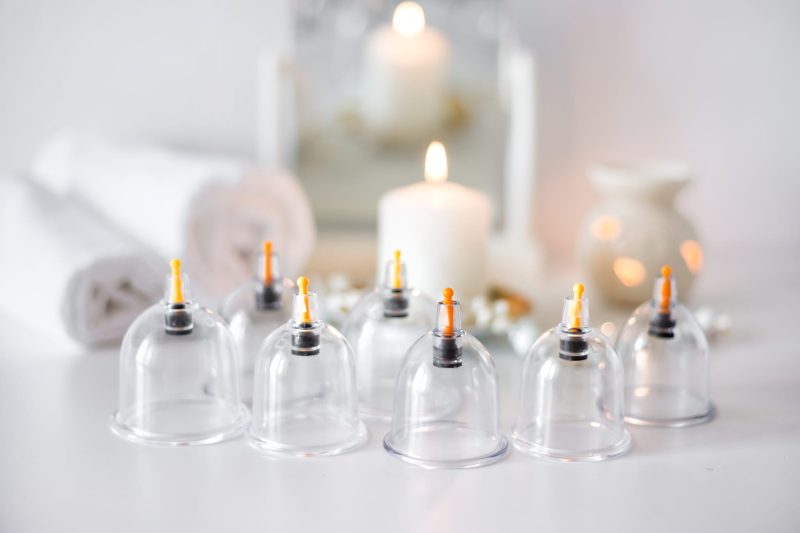 1-Hijama Therapist’s Assistant Certificate Course (H.T.A)
 3-Diploma in Homeopathic Medicine.